Instant Matching Desk
Share VIN or Engine Stamp
We cross-check compatibility before invoice to keep your purchase safe.
560+ Units
34 Countries
Original Bavarian Engine • Germany
Premium vintage and classic BMW engines sourced and delivered worldwide with documented fitment support.
Instant Matching Desk
We cross-check compatibility before invoice to keep your purchase safe.
560+ Units
34 Countries
Verified Reviews
Excellent
Read what collectors and workshops say about our engine matching, documentation, and worldwide delivery.
View on TrustpilotBuy With Confidence
Old-engine purchases are serious decisions. We provide compatibility checks, documentation-first listing clarity, and direct support before and after delivery so customers can buy with confidence.
Compatibility before invoice
Real warehouse engine photos
Written warranty guidance
Direct post-delivery support
About Our Mission — 1,500+ Words
Original Bavarian Engine was founded on a simple conviction: the BMW driving experience depends on powertrains that retain their authentic mechanical character. When an engine fails, owners face a choice between generic replacements that erase history and carefully sourced original units that preserve the soul of the vehicle. We exist to make the second path accessible, documented, and trustworthy for collectors, enthusiasts, and professional workshops across Europe and global export routes.
Our operation focuses exclusively on original old BMW engines — not remanufactured substitutes dressed to look period-correct, and not unverified salvage units sold on vague assurances. Every listing in our inventory represents a real engine photographed in our warehouse, with condition context that helps buyers make informed decisions before payment. This documentation-first approach distinguishes professional old-engine commerce from commodity trading where appearance replaces evidence.
BMW engineered distinct personalities into each generation of powerplant. An M20 delivers a mechanical honesty that modern turbocharged units cannot replicate. An M57 diesel provides torque delivery prized by swap builders and overland enthusiasts. An S54 rewards careful maintenance with motorsport-grade response that defined an era of naturally aspirated performance. Replacing these engines with mismatched alternatives changes throttle feel, acoustic character, and often resale narrative in ways that matter to serious owners.
Collector markets increasingly reward documented originality. A restoration supported by verifiable engine provenance commands stronger values than one built on undocumented substitutions. Workshops serving concours clients understand that stamp visibility, donor context, and condition transparency are not administrative details — they are core components of project credibility. We structure our supply operation to support these standards rather than undermine them with anonymous inventory.
We procure engines from fleet decommissioning programmes, insurance write-offs with documented mileage, and private collections where service history is verifiable. Each unit enters our facility unproven and leaves with photographic evidence, compatibility notes, and condition observations that accompany the sale. We reject engines with catastrophic external damage or undisclosed internal concerns because our reputation depends on what happens after installation, not only on what appears in listing photographs.
Depth within engine families separates our catalogue from superficial inventories. We do not stock one M54 and call it a day — we maintain dozens of variants across production years, mileage brackets, and condition grades. Diesel families including N47, N57, M57, B47, and B57 are represented with suffix-level detail because compatibility failures on BMW diesels almost always trace to ignored generation differences rather than fundamental unsuitability of the engine family itself.
Our Instant Matching Desk exists because the most expensive mistake in old-engine purchasing is buying the wrong unit. VIN and engine code review before invoice confirmation prevents mismatches that surface only after the crate arrives. We cross-check block stamps, donor chassis context, ECU generation assumptions, and accessory architecture against your target vehicle. When adaptation work is required, we say so clearly so your workshop can budget and schedule realistically.
This consultation is not a sales obstacle — it is risk reduction. Buyers who share their VIN, engine code, and destination country receive guidance that can save thousands in wrong purchases, customs delays, or unexpected conversion labour. We would rather decline a sale that cannot be supported with confidence than process a transaction likely to produce dispute and disappointment.
Terms like excellent, clean, or strong mean little without supporting detail. We provide observed startup behaviour where available, smoke profile notes, visible seepage context, and honest disclosure of age-sensitive systems that may require preventive replacement during installation. Old engines are not new engines, and trustworthy suppliers communicate realistic preparation expectations rather than implying zero additional work.
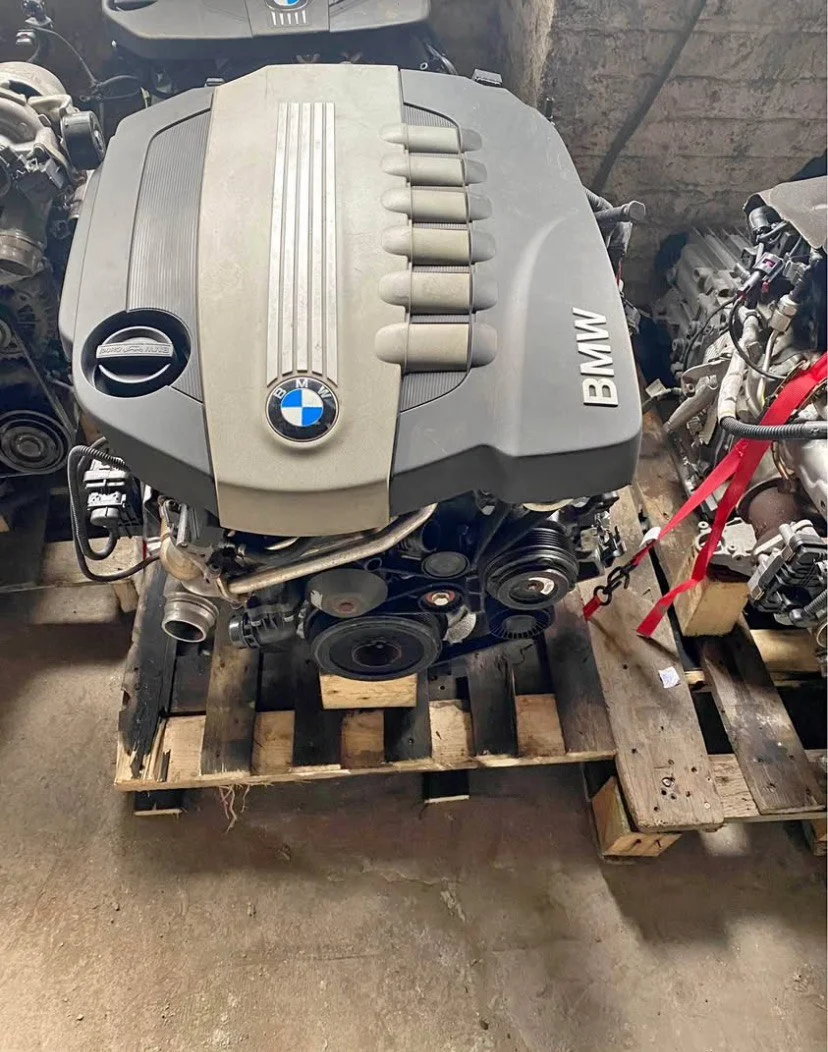
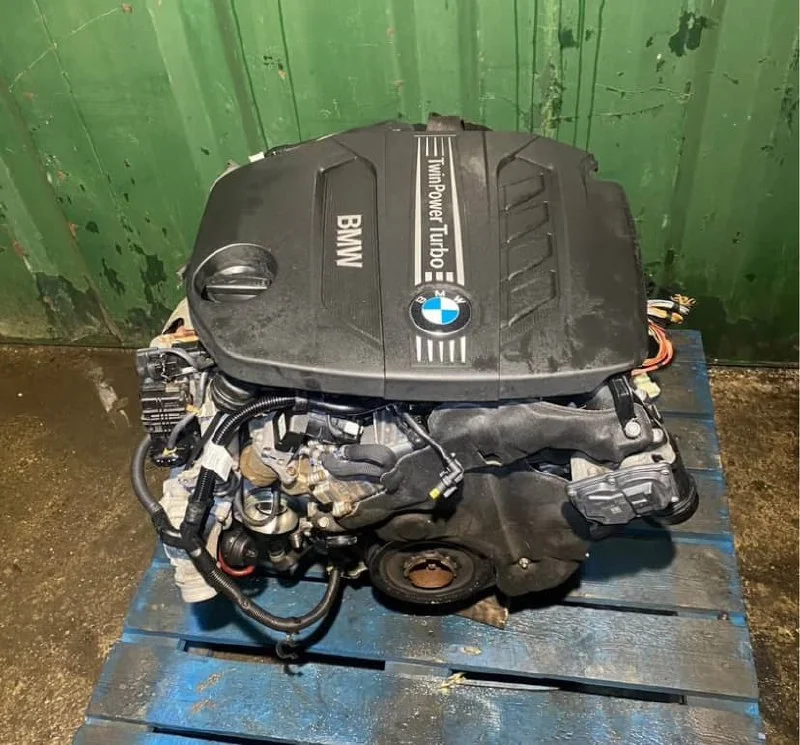
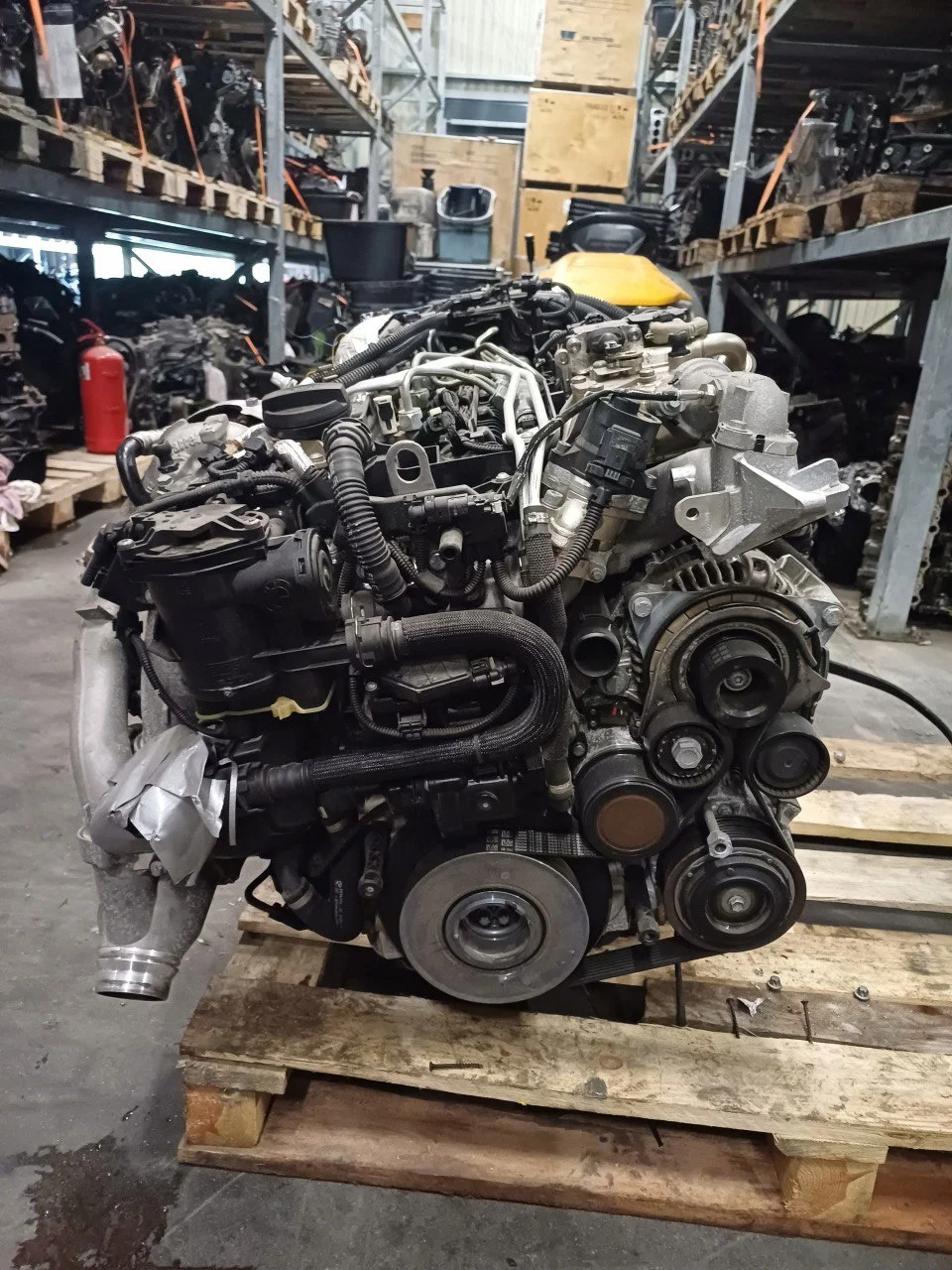
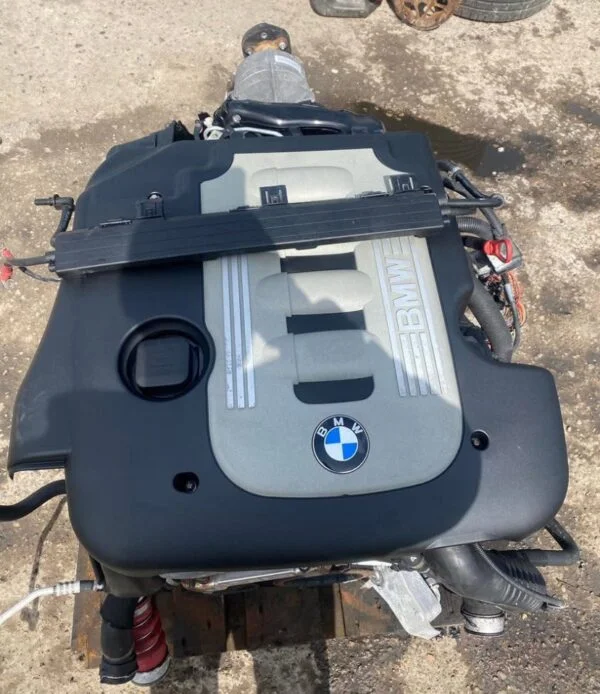
Photographs show actual inventory units from multiple angles — top, front, sump area, timing cover, and accessory layout. Buyers use these images as pre-purchase inspection material. When questions arise about specific details, our team responds with specifics rather than deflection. In international transactions where physical inspection before purchase is impractical, this transparency is the foundation of trust.
Engine freight is not parcel shipping. We crate units on reinforced pallets with rated securing, protective wrapping, and moisture control appropriate for sea and long-route transit. Tracking workflows include milestone updates, and transit insurance covers full purchase value on qualifying orders. We ship throughout the European Union, United Kingdom, Switzerland, Norway, and selected global export destinations with customs documentation prepared as part of the service.
Delivery expectations are documented before dispatch: kerbside pallet delivery, forklift or hoist requirements at destination, and inspection protocol upon arrival. Buyers who follow systematic intake procedures — photographing crate condition, verifying stamp against invoice, reporting discrepancies immediately — protect both themselves and the integrity of the transaction. Professional logistics paired with professional receiving practices produces the smoothest project outcomes.
Our responsibility does not end when the freight carrier departs. Post-delivery support covers practical questions during installation, clarification of documentation, and guidance on coding or compatibility details that emerge during workshop intake. Collectors and independent garages consistently cite communication quality as a deciding factor in repeat purchases — we invest in that continuity because old-engine projects are dynamic and rarely proceed without questions.
Warranty terms are shared in writing before payment. Coverage scope, claim procedures, and required evidence are defined clearly so both parties understand obligations. We honour documented commitments because long-term reputation in a specialist market depends on resolution quality, not on making returns difficult when legitimate issues arise.
Our clients include classic BMW restorers seeking period-correct M20 and M30 units, daily drivers replacing failed N47 or N57 diesels, performance builders sourcing S54 and B58 platforms, and swap specialists integrating M57 engines into Defender and 4x4 conversions. Each use case demands different acceptance criteria, and our team adjusts recommendations accordingly rather than pushing inventory that fits our warehouse but not your project.
Workshop trade accounts receive responsive fitment support because downtime costs money in commercial environments. Collectors receive patience and documentation depth because authenticity decisions cannot be rushed. Export clients receive customs clarity because border delays destroy project timelines. The common thread is respect for the technical seriousness of every enquiry.
Whether you are researching your first old BMW engine purchase or sourcing your twentieth unit for a workshop pipeline, the process begins the same way: share your requirements, verify compatibility, review condition evidence, and plan logistics before committing funds. Browse our engine collection, explore the technical blog library, read verified Trustpilot reviews, or contact our team directly with your VIN and engine code.
Original Bavarian Engine exists because BMW mechanical heritage deserves suppliers who treat sourcing as engineering stewardship. We combine authentic inventory, documented condition context, worldwide delivery capability, and specialist support into a single operation designed for buyers who refuse to gamble on the heart of their vehicle. Your restoration, daily driver, or conversion project starts with the right engine sourced the right way — and we are here to help you find it.
Our catalogue spans classic petrol platforms including M10, M20, M30, M50, M52, and M54 units favoured by E30, E36, and E46 restorers. Diesel inventory covers M57 workhorses prized for swap conversions, N47 and N57 families serving F-series replacements, and modern B47 and B57 units for current-generation BMW diesels. Performance-oriented clients source S54, S55, N54, N55, and B58 engines with condition notes appropriate to their build targets. Each family carries distinct compatibility requirements, and our team helps narrow selection before you commit.
M57 swap kits and conversion guidance support Defender, 4x4, and workshop projects where torque and reliability matter more than factory originality. Petrol heritage builds demand stricter documentation when concours correctness is the goal. Daily-driver replacements prioritise smooth startup, stable idle, and verified service context. We adjust our recommendation logic to your stated mission rather than treating every enquiry as identical.
Trust is earned through repeated positive outcomes, not marketing language. Our clients return because engines arrive as described, documentation matches delivered units, and support continues through installation questions that inevitably arise. Verified Trustpilot reviews reflect this experience — buyers highlight accurate matching, responsive communication, and secure dispatch as reasons they recommend our operation to other collectors and garages.
We invite you to verify our reputation independently, browse real warehouse photography in our engine collection, and speak with our technical desk before placing an order. Old BMW engines represent significant investment in your vehicle's future. Original Bavarian Engine provides the process, transparency, and specialist knowledge that serious buyers expect when that investment must be right the first time.
Why Old Engine Buyers Choose Us
Authentic old engines maintain period-correct performance feel and mechanical identity.
Original units support stronger restoration value than mismatched replacement options.
VIN and code matching reduce expensive installation surprises for clients and workshops.
Verified old-engine sourcing can be a smarter path than costly full remanufacture.
Client Clarity Framework
People buy when they feel confident, informed, and protected. This is the exact process we follow to earn that trust.
01
We review VIN and engine code first so you do not buy blind.
02
Real old-engine images, condition context, and availability are presented clearly.
03
Shipping, handling, and support expectations are documented before dispatch.
Bottom line: You are not buying a random used unit. You are buying a verified original old engine through a process designed to protect your restoration and your money.
Why Clients Trust Us
Buying a used BMW engine can feel risky when details are unclear. We solve that with transparency before payment, technical validation before dispatch, and real support after delivery. This is why collectors and workshops choose us when the project matters and mistakes are expensive.
Verified engine code + VIN fitment review
Real condition notes, not sales-only wording
Written inclusion and warranty clarity
Crated shipping and live tracking updates
WhatsApp and email response by specialists
After-delivery guidance for installation teams
Before You Pay
We help you confirm compatibility and condition first, then you decide with confidence.
After Delivery
Our team stays available for practical support so your workshop can move faster.
Featured Inventory
Customer Reviews
Need a Specific Engine?
We verify stock and respond with compatible options and shipping path.
Request SourcingInventory
Explore original old BMW engine listings with clear documentation and compatibility support.
M57 Swap Kits
The M57 menu option is fully supported with swap-oriented sourcing guidance, inclusion clarity, and freight planning.
About
We are focused exclusively on original BMW old-engine supply for serious restorations, collector projects, and workshop replacement operations across Europe and global export routes.
Original Units Only
No Generic Substitutes
VIN Matching Desk
Workshop-Grade Support
Contact
Send your engine code, VIN, and destination. We respond with matching options and shipping clarity.

Before You Enquire
This helps us prevent compatibility mistakes before quoting.
Fast Response
WhatsApp and email support for private buyers and garages.
After Ordering
Crate, tracking, and documentation details are shared clearly.
Services
Technical matching, inventory sourcing, freight planning, and after-delivery support from one desk.
Suffix-level compatibility review before invoice.
Access to diesel and petrol families with real stock context.
Conversion pathway support for Defender and 4x4 builds.
Image-backed notes and listing clarity for buyers.
Crated and tracked shipping with export support.
Direct support after dispatch and arrival.
Policies
Policy clarity is part of our trust model. We define fitment, freight, and warranty expectations before payment.
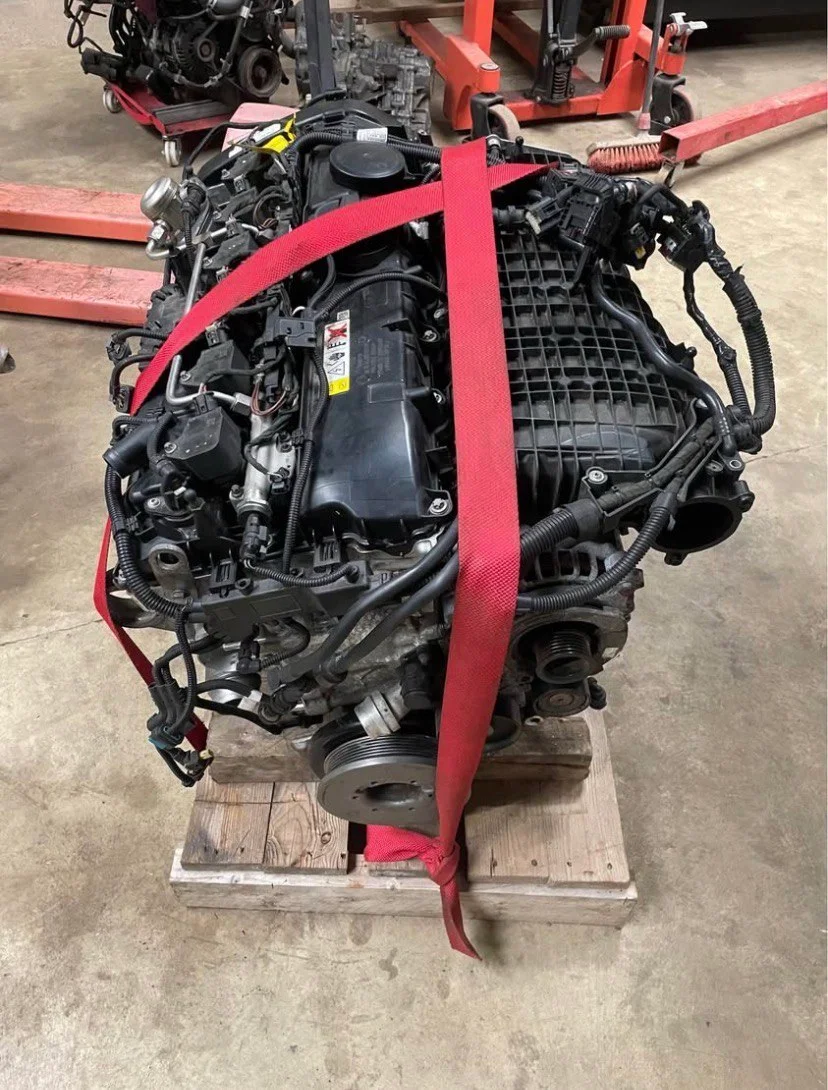
VIN + code verification is recommended before order confirmation.
Engines ship via protected crate or pallet with tracking workflow.
Written coverage terms are shared in order documents before payment.
Case handling follows documented conditions agreed during checkout.
Blog
Featured Guide — 2,000+ Words
Replacing a BMW engine is one of the most consequential decisions an owner or workshop can make. The difference between a successful restoration and an expensive failure often comes down to what happens before money changes hands: compatibility verification, condition evidence, logistics planning, and realistic budgeting. This guide distils decades of old-engine supply experience into a practical framework you can apply whether you are sourcing an M20 for an E30 restoration, an M57 for a Defender conversion, or an N57 diesel for a daily F-series BMW.
Across Europe, demand for original BMW engines continues to rise as classic values increase and modern diesel platforms age into replacement cycles. The market offers everything from meticulously documented specialist inventory to vague salvage listings with stock photography. Learning to separate professional suppliers from opportunistic traders protects your budget, your timeline, and the mechanical character of your vehicle.
When an engine fails, owners typically evaluate repair, replacement, or vehicle sale. Internal damage on N47, N20, or N63 platforms often makes comprehensive repair uneconomical compared with a tested replacement unit. Labour hours accumulate quickly when head removal, chain replacement, turbo inspection, and injector servicing are all required on a compromised block.
For classic E30, E36, and E46 models with rising collector values, scrapping a sound chassis because of engine failure wastes both money and heritage. A documented M54 or period-correct M50 preserves originality and protects asset value. Fleet operators running F-series diesels face downtime costs that dwarf engine purchase price — a reliable N57 delivered within a week pays for itself the moment the vehicle returns to service.
Dealer replacement quotes for modern B58 and B48 engines routinely exceed twelve thousand euros. Independent workshops sourcing tested units from specialist suppliers typically complete the same job for forty to sixty percent less, with identical mechanical specification when compatibility is verified correctly.
Classic M-series engines — M10, M20, M30, M50, M52 — represent mechanically straightforward powerplants with well-documented service procedures and strong parts availability. The M54 generation introduced electronic throttle control and more complex emissions equipment while remaining popular for E46 daily drivers. S54 engines demand scrutiny for rod bearing condition and VANOS function but deliver exceptional performance when sourced with documented test data.
N-series engines brought turbocharging to mainstream BMW petrol and diesel lineups. N54 and N55 units offer tuning potential but require attention to high-pressure fuel pumps and cooling capacity. N47 and N57 diesels power millions of European BMWs; timing chain maintenance is critical on early N47 units, while N57 engines remain prized for swap conversions due to torque delivery and broad community knowledge.
Modern B-series modular engines share design philosophy across petrol and diesel variants. Purchasing B48 or B58 units requires careful attention to DME generation, immobiliser coding, and compatibility with vehicle electronics — a donor engine from a different generation may not communicate with your body module without adaptation.
Visual inspection alone is insufficient. A freshly cleaned engine may conceal scored bores, coolant contamination, or bearing damage. Professional suppliers publish compression test results, leak-down percentages, and photographs of sump interiors, timing covers, and cylinder head mating surfaces.
Compression readings should fall within ten percent across all cylinders. A single low cylinder suggests valve or head gasket issues; uniformly low readings indicate ring wear or bore damage. Leak-down testing quantifies air escape percentage — readings below fifteen percent indicate excellent condition; above twenty percent warrants investigation before purchase.
Oil analysis reveals bearing wear metals, fuel dilution, and coolant contamination. Elevated iron suggests cylinder or ring wear; lead and copper indicate bearing degradation; sodium and potassium point to coolant ingress through head gasket or oil cooler failure.
Credibility indicators include published test protocols, photographs of the actual engine you will receive, transparent warranty terms, and responsive technical support. Suppliers who cannot explain their testing procedure, who use stock photography, or who refuse compression data should be avoided regardless of price.
Warranty coverage demonstrates confidence in testing. Six-month mechanical warranty on internal components against pre-existing defects is standard among professional operations. Read exclusions carefully — installation labour and incorrect oil specification are typically excluded, which is reasonable.
Logistics capability matters for heavy freight. Engines require palletised transport on dedicated carriers with transit insurance covering full purchase value. Cross-border shipments to the UK, Switzerland, and Norway need correct customs documentation to avoid border delays.
Confirm mount compatibility, exhaust flange alignment, cooling hose routing, and wiring loom requirements before the engine arrives. Use correct oil grade and coolant type for your engine family — incorrect specification causes failures incorrectly blamed on engine quality.
First-start protocol: verify oil level, complete coolant bleed, confirm fuel pressure, check battery voltage above 12.4 volts, ensure DME coding matches the installed engine. Limit initial running to idle for fifteen minutes while monitoring oil pressure, temperature, and leaks at every junction.
Post-installation service includes oil and filter change at five hundred to one thousand kilometres. Inspect fasteners after the first heat cycle. Document installation with photographs and service records for warranty and resale value.
Budget for shipping, installation labour, supporting components, fluids, programming, and a fifteen to twenty percent contingency. Rebuild versus replace economics favour replacement for most families when labour exceeds eighty euros per hour. Mileage matters less than measured mechanical condition — a well-maintained engine with one hundred eighty thousand kilometres often outperforms a neglected low-mileage unit.
Old BMW diesel purchases require suffix-level code verification, not just family name matching. N47, N57, M57, B47, and B57 variants differ in injector generation, emissions hardware, turbo configuration, and ECU strategy. Request donor chassis context, observed cold-start behaviour, smoke profile notes, and injector balance data where available. Turbo shaft play, variable geometry response, and high-pressure pump condition should be documented before dispatch. Diesel projects fail most often when buyers treat family labels as interchangeable rather than verifying generation-specific architecture against the receiving vehicle.
Emissions compliance adds another layer for imported diesels. Euro 4, Euro 5, and Euro 6 standards impose different requirements on particulate filters, SCR systems, and EGR configurations. An engine sourced from a different regulatory market may require component adaptation or registration consultation before road use. Professional suppliers disclose emissions package context and advise on common registration pathways for your destination country rather than treating compliance as the buyer's problem after delivery.
Petrol and M heritage purchases blend emotional value with technical risk. Decide early whether your project demands code-correct originality or reliable road character with selective modernization. Compression balance, cylinder head thermal history, VANOS function, and throttle actuator condition all influence long-term satisfaction. Heritage builds should demand stamp visibility, donor documentation, and honest disclosure of any replaced components during donor life. Authenticity markets reward clarity — hidden substitutions reduce resale trust even when drivability appears acceptable at first start.
First-start commissioning for petrol units should progress through idle stabilization, thermal monitoring, and measured load increases rather than immediate aggressive operation. Intake leaks, weak grounds, and aging sensor behaviour frequently mimic engine faults when the core hardware is sound. Establish mechanical and electrical baselines before tuning or modification. A disciplined commissioning window protects bearing surfaces, turbo cartridges, and valvetrain interfaces during the vulnerable first operating hours.
Engine quality can be compromised after selection if packaging and storage are neglected. Require crate standards that protect mounting points, exposed ports, and sensor faces. Ask for bracing photos before dispatch and transit insurance covering full replacement value. Upon arrival, document crate condition immediately, compare delivered stamp and accessories against invoice records, and capture intake photographs before installation begins. Delayed discrepancy reporting weakens resolution quality — professional buyers treat arrival inspection as a formal project milestone, not an afterthought.
Storage between delivery and installation should be dry, clean, and organized. Cover open ports, avoid unnecessary handling stress, and inspect periodically if installation is delayed. Workshops benefit from a written prep checklist covering seals, fluids, belts, sensors, and accessory brackets before the engine enters the bay. Preventive preparation during open access is almost always cheaper than corrective work after full assembly.
The strongest outcomes emerge when owner, workshop, and supplier communicate through completion rather than only until payment clears. Keep channels open for code verification questions, documentation clarification, and compatibility checks if unexpected details appear during installation. Suppliers who provide fifteen-minute pre-purchase consultations prevent costly mismatches that no discount can offset. Workshops should receive torque specifications, oil grade requirements, and coding notes alongside the physical engine so first-start discipline is shared rather than assumed.
Define warranty expectations in writing before payment: what internal components are covered, what evidence is required for claims, and what timelines apply for reporting arrival issues. Vague promises create friction; documented terms create confidence. In international transactions, written clarity is operational risk control — not optional paperwork.
Before committing funds, confirm engine stamp visibility, donor model reference, observed startup behaviour, smoke characteristics, fluid contamination notes, included accessory list, and crating standard in writing. Clarify who provides coding guidance, what warranty process applies, and how claims are documented if issues appear at arrival or during early run phases. Request a project timeline map covering freight windows, workshop intake, preventive service scope, first-start target, and road validation milestones. This checklist converts negotiation into structured technical responsibility and reduces assumptions that later become expensive disputes.
Compare at least two supplier options using the same criteria rather than price alone. Evaluate response quality, specificity of answers, willingness to share test data, and clarity of inclusions. A slightly higher price from a supplier who documents condition thoroughly often costs less in total than a discounted unit with unknown internals. Old BMW engine commerce rewards buyers who treat sourcing as engineering procurement — measured, documented, and deliberate — rather than impulse purchasing based on photographs and adjectives.
Buying an original old BMW engine is a technical procurement decision, not a commodity purchase. Verify mechanical condition through documented testing, choose suppliers with proven protocols and meaningful warranty, and invest in correct installation. The European market offers excellent inventory for every platform from classic M20 restorations to modern B58 replacements — the challenge is navigating that market with knowledge.
At Original Bavarian Engine, we help buyers confirm compatibility before invoice, provide image-backed condition context, and support crated worldwide delivery with direct post-dispatch communication. Browse the article library below for thirty-four additional technical guides, or contact our team with your VIN and engine code for a free fitment review. Your BMW deserves a powerplant matched to its engineering heritage — and with the right preparation, that powerplant is closer than you might expect.
Whether you are restoring a classic E30, replacing a failed diesel in a daily F30, or building a Defender conversion around an M57, the same principles apply: verify identity, demand evidence, plan logistics, budget completely, and partner with suppliers who communicate in specifics. The old BMW engine market is deep and capable of excellent outcomes when navigated with discipline. Process-driven buyers consistently achieve stronger reliability, lower total cost, and greater long-term satisfaction than those who chase the lowest headline price without technical validation.
Start your project by sharing your VIN, engine code, and destination country with our technical desk. We will cross-check compatibility, recommend suitable inventory, and outline freight and warranty terms before you commit. That fifteen-minute conversation is often the highest-return step in the entire restoration — because the right engine, sourced correctly, keeps your BMW on the road for years rather than returning to the workshop after the first thousand kilometres.
Article Library
Filter by topic or search by engine code, platform, or keyword.
Long Form Guide - 1500+ Words
Buying an old BMW diesel engine is never only about price, and serious buyers already know that the cheapest listing often becomes the most expensive story once labor, freight, coding, and downtime enter the equation. A correct old-engine purchase is really a systems decision that includes mechanical condition, injector history, turbo health, ECU generation, gearbox communication, DPF strategy, and the practical skill level of the workshop that will install the unit. If your target is a dependable and authentic restoration outcome, you need to treat the engine as part of a complete drivetrain ecosystem. That is why experienced buyers start with compatibility architecture first, then condition evidence, then logistics planning, and only then payment and dispatch timing.
The first discipline is identity verification. On BMW diesels, many purchase failures happen because people match a family label but ignore suffix-level details. A listing that says N57 or M57 is not enough. You must request and confirm the full stamp, donor chassis context, and generation notes that explain injector type, emissions package, and accessory arrangement. The goal is to prevent hidden conversion work that appears after the crate arrives. In practical terms, this means checking block code, intake layout, EGR arrangement, turbo setup, and sensor ports against your receiving vehicle and its control strategy. When the supplier provides matching photos, compression context, and continuity notes, your risk drops dramatically.
The second discipline is use-case clarity. Not every old diesel should be purchased for the same mission. If you are restoring an original daily vehicle, you often prioritize smooth start behavior, stable idle, and lower smoke profile. If you are building a highway-focused tow setup, thermal stability and long-load durability become central. If the project is for collector authenticity, matching period-correct architecture can matter more than chasing aggressive power targets. A professional supplier will ask these use-case questions before recommending a specific stock unit. When no one asks, you should ask yourself, because your use case dictates what test evidence and preparation level you should demand from the seller.
Condition reporting must be evidence-based, not adjective-based. Terms like excellent, clean, strong, and tested mean very little without details. Ask for cold-start behavior notes, warm idle behavior, smoke profile observations, oil cap pressure comments, visible seepage context, and injector correction balance where available. Ask whether the engine was run under load, whether only idle testing was completed, or whether the unit was removed as a known running donor with timestamped dismantling documentation. The more concrete the condition file, the less you rely on optimistic interpretation. Every missing data point becomes a budget reserve item that your workshop may later discover and bill as a surprise correction.
Turbo and fuel-system context is especially important on old BMW diesels. Buyers often focus on the long block and underestimate peripheral cost exposure. A healthy block paired with weak injector condition or uncertain high-pressure pump behavior can still create a complex install cycle. Clarify whether injectors are included, whether they are coded from donor context, and whether return-flow behavior raised concerns before dismantling. For turbo systems, verify shaft play notes, housing condition, vane response on variable geometry setups, and whether the unit was preserved correctly in storage. These details convert uncertainty into planning. Without them, a low purchase price can be erased by immediate component replacement.
Cooling and lubrication history matters more than many first-time buyers expect. Old diesels can survive high mileage when cooling integrity and oil service discipline were maintained. They can also deteriorate early when coolant management or oil intervals were neglected. Ask about visible sludge indicators under valve cover areas, coolant contamination signs, and whether donor history indicates overheating incidents. Even if you cannot access complete service records, supplier observation notes can still help. During pre-install preparation, many workshops replace key seals, check water pump and thermostat condition, and clean oil-feed pathways before first ignition. The supplier should be honest about what was observed and what remains advisory work.
Transmission and electronics compatibility must be checked before freight booking. On modern BMW diesel platforms, drivability quality depends on more than mechanical fit. ECU strategy, sensor calibration, immobilizer workflow, and gearbox communication may require coding alignment. If your project uses original ECU and harness architecture, confirm sensor mapping parity and connector compatibility with the purchased engine. If your project is a swap, define early whether you are aiming for factory-style integration or simplified standalone logic. A clear electronics plan avoids the common trap where the engine physically fits but the project stalls for weeks because software and communication assumptions were made too late.
Freight discipline is part of engine quality. A correctly selected old engine can still arrive compromised if packaging is careless. Require crate standards that protect mounting points, exposed lines, and sensor faces. Ask how the engine is braced, whether accessory protrusions are buffered, and how moisture control is handled for sea or long-route transit. Demand photo proof of crating before dispatch and request tracking workflow that includes milestone updates, not only final destination notice. Professional logistics reduces not just physical damage risk but also scheduling uncertainty for your workshop. This is why experienced buyers evaluate freight communication quality as a sign of overall supplier maturity.
Budget planning should include three layers: purchase value, preventive preparation, and installation contingencies. The purchase value is the invoice you see. Preventive preparation includes seals, fluids, filters, and selected wear items your workshop may replace proactively. Contingency includes unknowns that can appear during adaptation, coding, or first road validation. Buyers who budget only the invoice amount often misjudge total cost and then blame the wrong stage of the process. A transparent supplier can help by clarifying inclusions and exclusions in writing, so you can estimate true project cost before payment. This financial clarity is one of the strongest trust markers in old-engine commerce.
When comparing N47, N57, and M57 routes, think in lifecycle terms. N47 options can suit projects where efficiency and packaging constraints matter, but chain history and generation specifics require careful validation. N57 units offer strong torque potential with modern diesel refinement when matched correctly, yet they demand disciplined compatibility checks because variant differences can affect integration. M57 routes remain popular for robustness and broad enthusiast knowledge, especially in swap communities, but still require honest condition evidence and realistic supporting-component planning. None of these families is universally best. The best option is the one that matches your chassis, mission, budget ceiling, and workshop execution level.
Documentation quality is your protection contract before money moves. Request a clear written summary covering engine code, donor context, condition observations, included components, known limitations, and freight method. Ask for confirmation on warranty process, claim timeline expectations, and what evidence is needed if a dispute appears after delivery. Reputable suppliers are comfortable with documented clarity because it reduces friction for both sides. Vague language creates room for misunderstanding that usually hurts the buyer first. In international transactions especially, written detail is not optional administration; it is operational risk control. A high-trust purchase is always a documented purchase.
Once the engine arrives, your workshop handover process should be systematic. Before installation begins, confirm crate condition, compare delivered code and accessories against invoice documentation, and capture arrival photos. Rotate the engine by hand where appropriate, inspect obvious sealing areas, and review harness and sensor points for transit impact. This intake protocol protects both buyer and seller by establishing objective arrival condition. If discrepancies exist, they should be reported immediately with visual evidence. Delayed reporting weakens resolution quality and can create avoidable conflict. A professional delivery inspection routine is one of the easiest ways to protect project timeline and financial control.
Finally, remember that buying an old BMW diesel engine is a decision about outcome confidence, not only inventory availability. The right supplier behaves like a technical partner, not a listing board. They help you narrow the engine family, verify compatibility detail, disclose realistic condition context, and plan freight and after-delivery support with clarity. If a seller resists detailed questions, that resistance itself is useful data. Serious projects deserve serious process. When you treat sourcing as a structured engineering workflow, you gain a better engine, a cleaner install, and a far stronger chance of preserving the mechanical character that made old BMW diesels worth restoring in the first place.
A practical final checklist for diesel buyers should include written confirmation of engine stamp visibility, donor model reference, observed startup behavior, visible smoke notes, fluid contamination observations, included accessory list, and crating standard. It should also include who is responsible for coding guidance, what is covered under warranty process, and how claims are documented if an issue appears at arrival or early run phase. This checklist turns negotiation into a professional transfer of technical responsibility. Buyers who use checklists usually experience fewer disputes because assumptions are reduced. The checklist does not remove all risk, but it converts unknowns into managed decisions with clearer budget and scheduling consequences.
Another advanced step is to request a project timeline map before dispatch. This map should define estimated freight windows, workshop intake date, preventive service scope, first-start target, and first road validation milestone. Mapping these steps before payment reduces idle time after delivery and helps workshops reserve labor intelligently. It also improves buyer confidence because the engine becomes part of a controlled plan rather than a standalone shipment. Old BMW diesel projects succeed when sourcing, logistics, and installation are managed as one timeline. The more integrated the plan, the higher the chance of getting a strong, dependable, and authentic outcome without repeated rework.
Long Form Guide - 1500+ Words
Old BMW petrol engines are emotional purchases as much as technical ones, because buyers are not just restoring mobility; they are restoring response, sound character, and the analog relationship between throttle input and chassis movement that defined an era. This emotional value is exactly why technical discipline matters so much. A heritage engine that looks correct in photos can still become an expensive compromise if compression balance is weak, timing components are worn beyond service tolerance, or accessory architecture does not match the target chassis. The difference between a joyful restoration and a frustrating one is rarely luck. It is almost always the quality of sourcing process before the crate is ever booked.
The first strategic question is authenticity depth. Some clients want visual authenticity only, while others want code-correct drivetrain identity that aligns with production-era expectations. You should decide this early, because it changes your acceptance criteria during purchase. Code-correct projects often require stricter block and head verification, period-consistent ancillary layout, and stronger insistence on donor documentation. Visual-authenticity projects may allow broader internal updating while preserving external presentation. Neither route is wrong, but confusion between the two creates conflict between buyer expectations and workshop execution. A seller who understands restoration goals can help filter inventory choices according to your chosen authenticity level.
Compression integrity and oil control behavior are core concerns for old petrol units. Ask for meaningful condition notes beyond cosmetic appearance. Clarify whether the engine was running before removal, whether cold-start and warm-start behaviors were observed, and whether smoke characteristics changed after stabilization. If leak-down data is unavailable, ask for qualitative observations that still have diagnostic value, including idle smoothness, abnormal top-end noise, and visible contamination under oil cap surfaces. None of these observations replaces a full rebuild report, but together they create a practical confidence profile that helps buyers avoid engines with obvious early warning signs hidden behind polished photography.
Cylinder head condition deserves specific attention on old petrol platforms, especially when overheating history is uncertain. A flat-running donor can still hide previous thermal stress that appears later during sustained load. Ask whether the seller observed any coolant-oil cross-contamination, repeated coolant loss patterns, or signs of prior gasket work. During workshop intake, pressure testing and careful thermal-cycle monitoring can prevent downstream surprises. If your project budget allows, proactive head inspection and refresh planning often costs less than emergency corrective labor after installation. The key is to treat uncertainty as something to price in early, not something to discover when timeline pressure is already high.
Fuel delivery and ignition context also shape restoration success. On old BMW petrol engines, age-related issues frequently emerge in injectors, seals, coil pathways, and vacuum integrity. Clarify what is included with the engine and what should be considered service advisory rather than ready-to-run. A trustworthy supplier explains these boundaries clearly. Buyers should welcome this honesty because it improves planning realism. If a listing implies everything is perfect without any mention of age-sensitive systems, caution is appropriate. High-trust suppliers do not promise impossibly flawless old units; they provide a practical map of known condition and sensible preparation steps before first road load.
Manual and automatic drivetrain pairing should be part of pre-purchase planning, not post-delivery improvisation. Even when the long block is compatible, differences in ancillary brackets, harness provisions, and ECU assumptions can slow integration. If the project is a period-correct restoration with original transmission architecture, verify mounting and signal expectations in advance. If the project blends heritage engine character with modern drivability goals, define where adaptation work will occur and who is responsible. The earlier these responsibilities are documented, the smoother your workshop timeline becomes. Ambiguity at this stage is one of the most common reasons restoration budgets drift and delivery promises slip.
Authentic sound and throttle response are major reasons people choose old BMW petrol engines, yet these qualities depend heavily on calibration and peripheral condition, not only the engine core. Intake leaks, tired sensor behavior, and aging ignition components can flatten response and create unstable idle patterns that buyers mistakenly attribute to the engine itself. Include baseline service items in your project plan and treat first-start calibration as an essential phase, not optional tuning. A correctly prepared and correctly calibrated old petrol unit can feel vivid, progressive, and period-correct. A partially prepared one can feel inconsistent, even if the core hardware is fundamentally healthy.
For M heritage builds or M-inspired period projects, documentation standards should be even higher because buyer sensitivity to originality is higher. Ask for stamp visibility, donor context, and photos that support claims about specification and authenticity. If specific components are known to have been replaced during donor life, that should be disclosed as part of transparent valuation. Authenticity markets reward clarity. Hidden substitutions and vague claims may not fail immediately in driving terms, but they reduce long-term confidence and can damage resale trust later. In collector-oriented restoration, truthful specification narrative is as valuable as mechanical condition itself.
Freight and storage planning is sometimes underestimated for petrol engines, especially when buyers are excited to move quickly. However, careful transit preparation helps preserve seals, ports, and external components, and reduces contamination risk during long routes. Ask how open points are protected, how the unit is stabilized inside the crate, and whether moisture-control measures are used for climate-variable transit. Once delivered, keep storage clean, dry, and organized until installation starts. The gap between delivery and install often exposes engines to accidental handling damage. A disciplined handoff chain, from supplier crate standard to workshop intake protocol, protects value created by careful sourcing.
Budget strategy for old petrol projects should include authenticity choices explicitly. If your aim is concours-style correctness, expect greater investment in matching details, documentation, and period-consistent component decisions. If your aim is reliable road enjoyment with classic character, you may prioritize mechanical confidence and selective modernization where invisible. What matters is that the budget reflects the chosen philosophy. Too many projects stall because buyers fund a driver-level plan but demand concours-level outcomes. A transparent supplier plus a realistic workshop plan can align expectation and spend from the beginning, preventing emotional disappointment and repeated scope corrections during execution.
During first start and early road validation, patience protects the investment. Let lubrication stabilize, monitor temperatures carefully, and confirm fuel and ignition behavior under progressive load rather than immediate aggressive operation. Old engines respond well to measured recommissioning routines that respect dormant periods and uncertain recent usage cycles. Document early behavior, capture any deviations, and correct small issues quickly before they cascade into major repairs. This commissioning mindset separates professional restorations from rushed ones. The objective is not only to make the car run today, but to establish a stable reliability foundation for months and years of confident driving.
In the end, buying an old BMW petrol or M heritage engine should feel like engineering stewardship, not parts gambling. You are preserving a driving language from an earlier period, and that requires matching emotion with process. Ask better questions, demand clearer documentation, plan for preparation work, and partner with suppliers who communicate in specifics rather than slogans. When sourcing, logistics, workshop intake, and commissioning are managed as one connected system, the outcome is exactly what enthusiasts are searching for: an authentic, responsive, and trustworthy old BMW powertrain that rewards every kilometer with character that modern replacements rarely replicate.
Owners should also define parts strategy before installation starts: which components must remain period-correct for authenticity, which can be modernized for reliability, and which items should be kept as documented originals for collector value. This strategy prevents emotional decision changes in the middle of assembly when costs and time pressure are highest. A clear parts policy keeps the build coherent and improves resale narrative later because documentation shows intentional choices rather than random substitutions. In heritage restoration, consistency is value. A well-documented combination of original architecture and carefully justified updates often performs better in both ownership satisfaction and market credibility.
Finally, treat test-driving as diagnostic validation rather than celebration only. The first kilometers should be structured around controlled load increments, cooling behavior checks, idle recovery observations, and drivability consistency across temperature ranges. Capture notes after each cycle and resolve deviations early while access is easier and context is fresh. This method creates a feedback loop that protects the engine and improves the final tune of the whole vehicle. Restoration is complete only when repeatability is proven. A single good drive is encouraging, but a series of stable drives is what confirms that the old BMW petrol powertrain has truly been returned to dependable life.
When this disciplined approach is followed, the result is a machine that feels honest to its era yet dependable in modern use. The steering, throttle transition, and acoustic profile all feel connected because the engine was sourced correctly, prepared carefully, and commissioned professionally. That is what buyers are really paying for when they choose an original old BMW engine: not just hardware, but a trustworthy restoration story supported by evidence and method. In a market full of vague promises, process-driven sourcing and execution remain the clearest path to long-term ownership confidence.
Long Form Guide - 1500+ Words
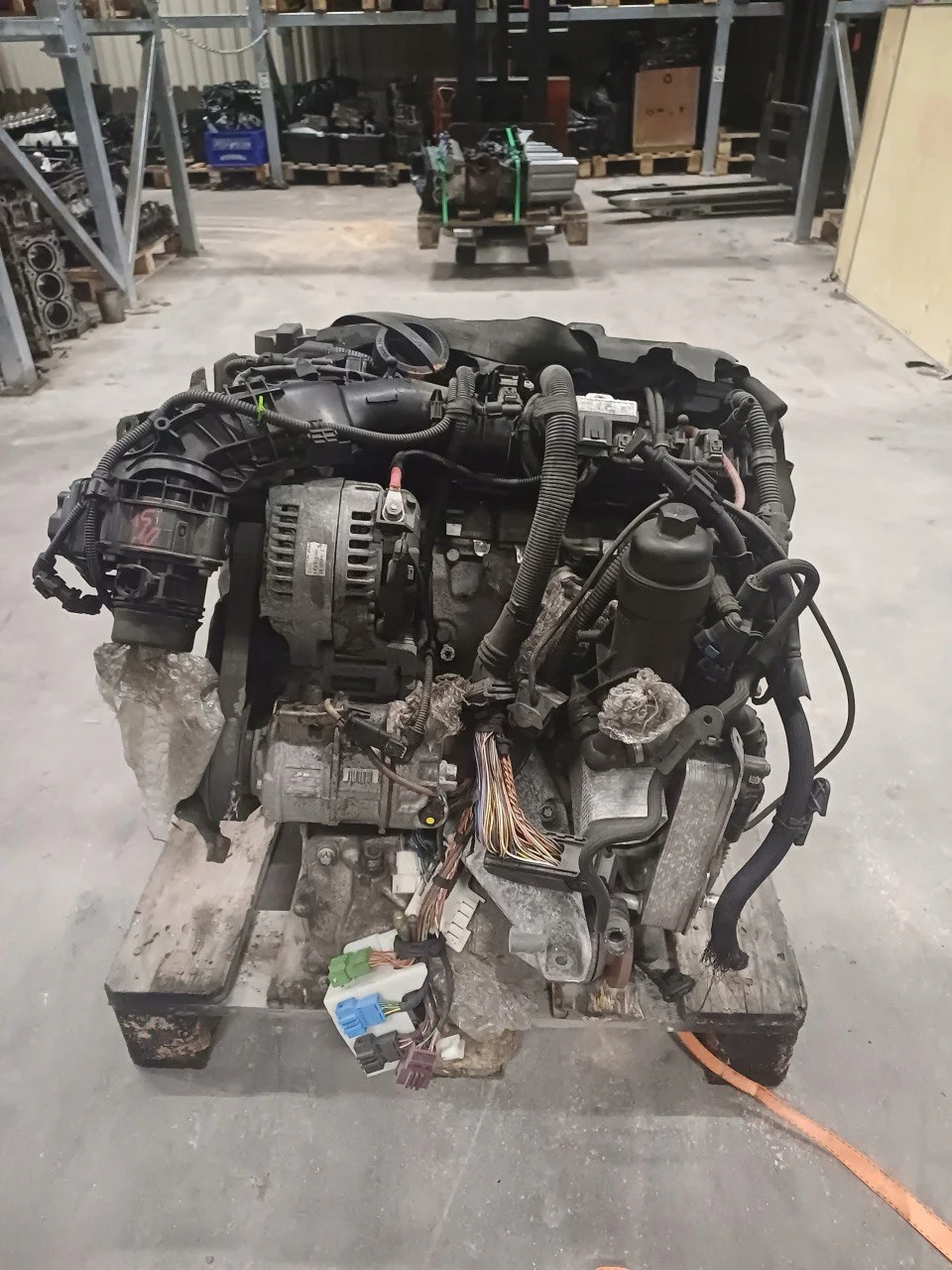
Owning an old BMW engine is not only about choosing the right unit at purchase; long-term success is determined by what happens in storage, installation prep, startup routines, and maintenance discipline afterward. Many engines that could have delivered years of reliable service fail early because these phases are rushed or treated as secondary. A buyer can spend significant money on an authentic unit and still lose performance confidence if recommissioning is careless. The strongest projects are those where the owner and workshop adopt a lifecycle mindset from day one. That means every stage, from crate opening to post-install monitoring, is planned as part of reliability engineering.
Storage is your first reliability checkpoint. If an engine sits in humid or dirty conditions, corrosion and contamination risk rises immediately. Keep the unit in a dry indoor area, away from direct weather exposure and high condensation zones. Protect open ports and connectors from dust ingress and avoid unnecessary handling that can stress external points. If installation is delayed, inspect the storage environment regularly instead of assuming everything remains unchanged. Simple discipline at this stage prevents many later mysteries. Buyers sometimes focus on advanced tuning plans while overlooking storage basics, yet those basics often have a larger impact on first-start behavior and long-term sealing health.
Before installation, build a documented prep checklist with your workshop. This should include fluid pathway inspection, seal-condition review, hose and belt strategy, sensor integrity check, and accessory bracket verification. Replace age-sensitive consumables proactively when practical, especially if service history is incomplete. The objective is to reduce avoidable labor repetition after the engine is already in the bay. Preventive preparation is not wasted money; it is cost control. Every component replaced in open access conditions is usually cheaper than replacing it after complete assembly. Good workshops plan this stage transparently and explain what is mandatory, recommended, and optional according to project goals.
Lubrication priming is one of the most critical startup protections on old BMW engines. Never assume immediate crank-and-fire is acceptable after prolonged storage or unknown downtime. Ensure oil pathways are filled and pressure expectations are respected before asking the engine for load response. This reduces dry-contact risk and helps protect bearings and valvetrain interfaces during the first cycles. If your workshop has established priming protocols, follow them rigorously and document what was done. A careful first-start routine may feel slow, but it directly protects the core mechanical value you paid for. Speed at this point offers little benefit and significant downside risk.
Cooling-system validation should happen before and during initial run cycles. Old engines are especially sensitive to trapped air, weak hoses, and overlooked thermal management details. Use a methodical bleed process, confirm fan logic where applicable, and monitor warm-up behavior with attention instead of relying on quick visual assumptions. If temperature behavior appears unstable, pause and diagnose before proceeding. Overheating during first commissioning can undo weeks of careful sourcing and preparation. Reliable restorations are built on early caution, not early bravado. Treat abnormal heat behavior as a hard stop signal until the root cause is clearly identified and corrected.
Fuel-system confidence is another startup pillar. On both petrol and diesel old BMW platforms, stale lines, aged seals, and uncertain injector condition can produce unstable operation in the first run window. Confirm fuel cleanliness, check for leaks under pressure, and avoid aggressive throttle input until baseline stability is proven. If idle quality is inconsistent, diagnose systematically rather than immediately chasing software complexity. Mechanical and vacuum integrity issues are common in old systems and can mimic calibration problems. Establish a stable mechanical baseline first, then proceed to any tuning or adaptation steps. This sequence saves time and prevents misdiagnosis that leads to unnecessary parts replacement.
Electrical integrity often decides whether a restored engine feels reliable or unpredictable. Ground quality, connector health, and harness routing all influence sensor accuracy and ignition or injection behavior. During installation, verify key grounds, inspect brittle insulation, and secure routing away from heat stress and abrasion points. A mechanically strong engine can still deliver poor drivability if electrical fundamentals are weak. Owners sometimes interpret these symptoms as deep engine faults, when the root cause is simple connection quality. A careful electrical baseline is one of the highest-value investments in old-engine projects because it reduces intermittent issues that are expensive to trace after full reassembly.
Break-in and adaptation strategy should be realistic and progressive. Even when an engine is used rather than freshly rebuilt, the recommissioned system needs gentle load progression while fluids, seals, and thermal behavior stabilize in its new environment. Avoid immediate high-load operation and monitor for leaks, unusual sounds, and temperature deviations during early cycles. Keep detailed notes on behavior changes across the first days and weeks. Data beats memory in troubleshooting. A disciplined break-in window builds confidence and helps catch small issues before they become major failures. Owners who skip this phase often discover preventable problems only after more expensive damage has already occurred.
After-delivery support from the supplier should remain active beyond payment and shipping. High-trust suppliers understand that old-engine projects are dynamic and may need clarification during installation. Keep communication channels open for code verification, documentation questions, and compatibility checks if unexpected details appear. This support can shorten diagnostic time and prevent unnecessary replacement decisions. If a supplier disappears after dispatch, that is a process weakness buyers should remember for future sourcing. Reliable projects are built by teams that communicate through completion, not only until invoice clearance. Ongoing technical dialogue is part of professional old-engine commerce.
Maintenance planning after installation must be intentional. Old BMW engines reward owners who monitor fluids, filter quality, and thermal behavior consistently. Define service intervals with your workshop based on real usage patterns, not generic assumptions. Track oil condition trends, observe startup behavior changes, and respond early to small leaks or noise shifts. Preventive attention is far cheaper than reactive repair. Enthusiasts who treat maintenance as a continuation of restoration usually enjoy longer reliability and better drivability consistency. In contrast, owners who relax discipline after the first successful drive often face repeated downtime that could have been avoided with routine observation and timely corrective action.
If performance upgrades are planned, sequence them only after baseline reliability is proven. It is tempting to modify immediately, but stacking variables too early makes diagnostics difficult and can mask foundational issues. Confirm that the engine runs cleanly in stock or near-stock condition first, with stable temperatures, predictable idle, and consistent load response. Once baseline confidence is established, upgrades can be introduced one layer at a time with measurable validation after each step. This method protects both budget and engine health. Structured modification is not less exciting; it is simply the professional way to keep an old platform dependable under evolving performance goals.
Ultimately, the longevity of an old BMW engine depends on process quality more than on luck. Good sourcing gives you a strong starting point, but long-term success comes from disciplined storage, thoughtful preparation, careful commissioning, and consistent maintenance culture. Owners who treat the engine as a living system rather than a one-time purchase decision achieve better reliability, lower lifecycle cost, and greater driving satisfaction. When these principles are applied, old BMW engines do exactly what enthusiasts want: they deliver character, torque, response, and historical authenticity in a package that remains trustworthy long after installation day. That is the true value of doing the fundamentals correctly.
For long-term project stability, create a maintenance logbook from day one. Record fluid brand and grade, replacement dates, filter references, observed startup behavior, and any temperature anomalies. Include photos of key service milestones and notes from the workshop about wear indicators. This history becomes a diagnostic asset when symptoms appear because you can identify change patterns instead of guessing. It also becomes a value asset if you later sell the vehicle, because documented stewardship builds buyer trust. Old BMW ownership rewards evidence. The more structured your records, the easier it is to make correct maintenance decisions and avoid expensive trial-and-error repairs.
Another often-missed factor is seasonal adaptation. Engines that run perfectly in mild weather may expose weak battery, fuel, or sensor behavior in colder months, while hot climates can stress cooling margins that seemed adequate during winter commissioning. Plan preventive checks ahead of season changes and adjust service timing accordingly. This proactive approach avoids emergency troubleshooting when conditions are already extreme. Reliability is not one fixed state; it is an ongoing response to usage and environment. Owners who respect seasonal dynamics typically experience fewer roadside failures and preserve engine health more effectively across the full year.
Most importantly, keep the relationship between owner, workshop, and supplier alive after project completion. Questions will appear over time, and timely guidance can prevent small uncertainties from becoming major faults. A restoration network that shares data and responds quickly is a powerful reliability tool. Old BMW engines remain highly rewarding when supported by this collaborative mindset. They can run with strong consistency for years, but only when mechanical discipline is paired with communication discipline. In practical terms, long-term success comes from the same principle as purchase success: clear information, clear process, and clear accountability at every stage.
Reviews
Client feedback consistently highlights our fitment accuracy, listing transparency, and support quality.
Technical Confidence
Buyers value code-level review before committing to purchase.
Communication Quality
Clients mention quick answers on WhatsApp and email.
Delivery Experience
Tracking and packing standards are repeatedly praised.